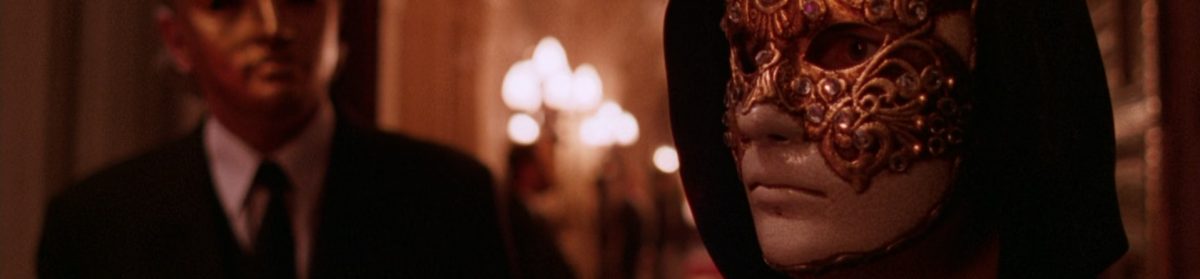
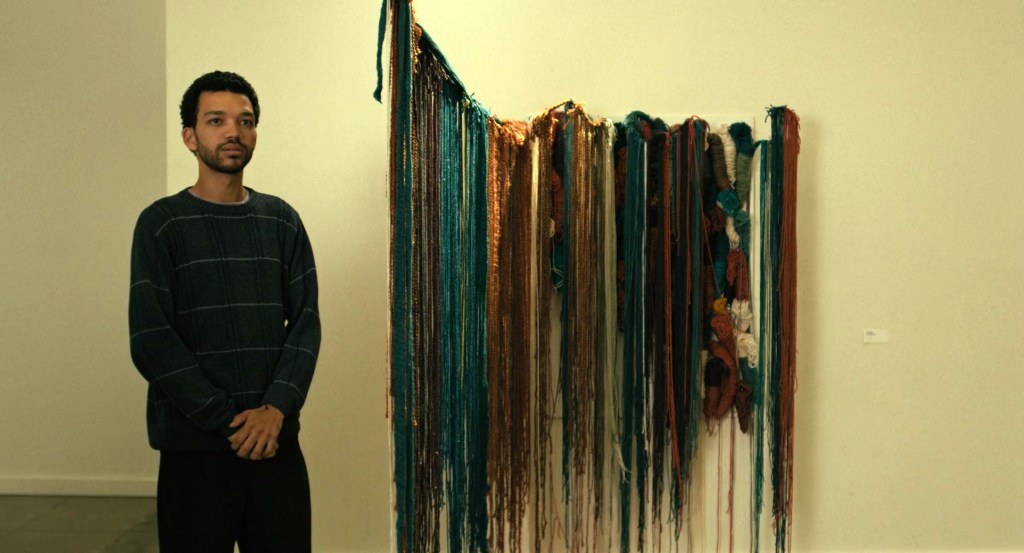
Writer director Kobo Libii’s debut feature The American Society of Magical Negroes is an oddity, not least due to its unfortunate title. Yarn arts artist Aren (Justice Smith) is recruited to join a magical secret society, the denizens of which possess the power to make white people feel good. This profession apparently involves a lot of crotch grabbing during moments when their male clients find themselves glamoured into relaxation. Aren is a sad sack with no self-esteem. He huddles on the periphery – held back by both himself, and an undercurrent of racial prejudice. Aren’s journey is one to reconcile these two barriers to self-actualization. Which is all very well and good, if not trite. Aren meets a girl at work, Lizzie (An-Li Bogan), engendering a love-triangle between the two and work buddy Jason (Drew Tarver). There’s some plot salad about the tech company they all work for over “racial recognition” software, interspersed with scenes of the magical society meeting at headquarters. The whole thing feels weirdly mashed together. The tone of the film is topsy-turvy, and its genre mashups are all over the place. The film cannot decide if it is a social satire, a black comedy, a romantic comedy, or a harry potter movie. The set design and cinematographic presentation of the magical headquarters appears ripped from the bedroom of a Potter-obsessed dark academic – festooned with mahogany furniture and orange mood-lighting. There’s even a vintage pocket watch.
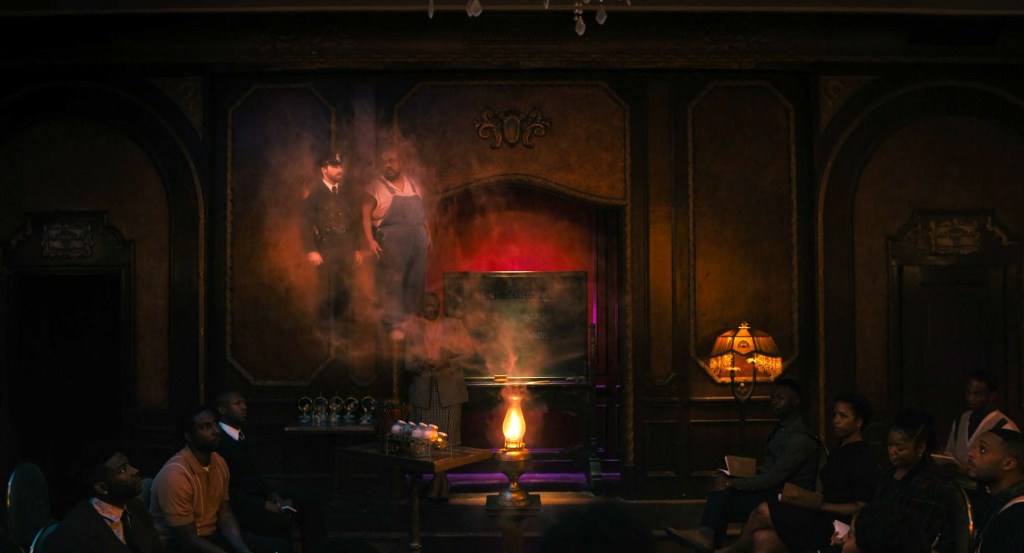
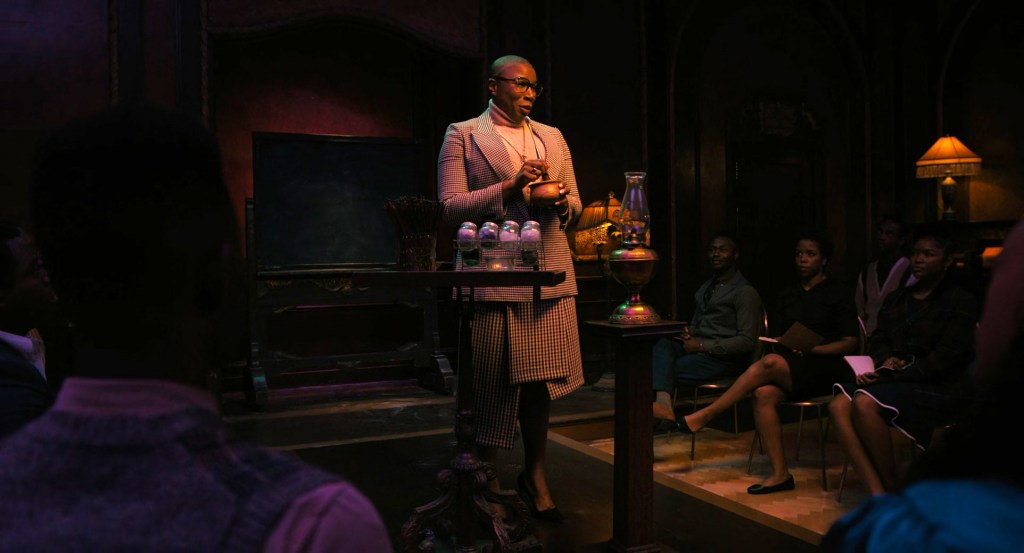
The trope of the magical negro is one that has appeared in many films. The Legend of Bagger Vance and The Green Mile being two examples’ millennials are no doubt familiar with, and the film references them. The critique of the magical negro character is that he is more plot device than character, serving only to illuminate the character-arc of his white friend, whomever that may be while having no arc of his own. The film expresses same when explaining the rules of the story world – that black people must only display as much blackness as makes whites comfortable. It somewhat amusingly drops the stories of other character’s arcs in reference to its source idea.

Surely, the absurdity of such a trope is worth exploiting for satirical comedy. This film sort of does that, but it’s not really able to deal with the undercurrent of darkness. The trope is born of a tentativeness to fully embrace the other and represents a dogmatic refusal to understand others on their own terms. Aren surely wants to be understood on his own terms. The film concludes when he disrupts his boss’ spurious MeetBox web address and delivers a speech on his right to be respected as a fully capable human being. This is the sort of literal-mindedness plaguing the film. The best parts of occur at the magical headquarters – where the actual issues it wants to address are couched in the politics of their society. But those issues are siloed in those scenes, then Aren is sent out to bumble about, talking about his feelings. It is very slow, losing steam about twenty minutes in, followed by the agonizing rom-com diversion between Aren and Lizzie, interrupting any hope that this film knows what it’s trying to say. It’s not very funny, it’s really cutesy, and the script is a nightmare.
The impression one comes away with is that the film possesses all the complication of a child’s fantasy film. It cannot wield the satirical implications of the material, falling back on genre tropes and crappy tech villain plot lines. When all is said and done Aren takes a reinvigorated interest in becoming a professional yarn artist, everyone apologies to everyone else, and they all skip away. Now, don’t let the hammy coda kick you on the way out.
 Cine Obscura.