Review: Smile (Parker Finn 2022)

Somewhere deep beneath the title wave of repetition, flat characterization, and woefully unsubtle allegory, is a tight thriller about trauma that could have been.

After witnessing a patient’s gruesome suicide, Dr. Rose Cotter’s (Sosie Bacon) life is turned upside down by the sinister appearance of the ubiquitous ‘smile’ of the film’s title. The strange and violent occurrences pile up, setting Rose on a collision course with the haunting memory of her mother’s suicide. 

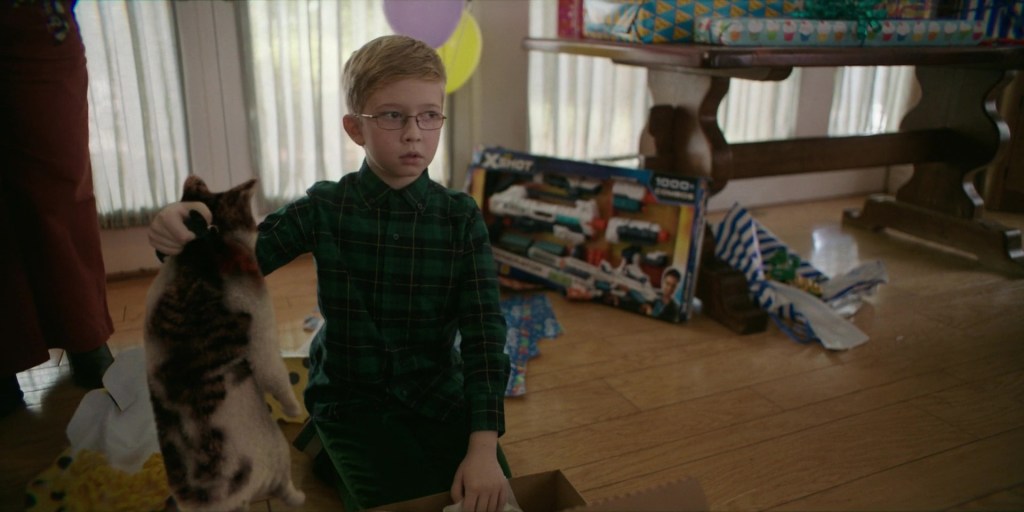
Right, so in the interest of transparency it seems correct to drop the flowery prose and say that this film is quite stupid. Its premise is the best thing about it. A premise in execution that can be summed up by the conclusive metaphor of bludgeoning yourself to death with a hammer. Following the suicide, Rose experiences hallucinations, and creepy weird shit happens (dead cat birthday present). Her partner Trevor (Jessie T. Usher) and her sister Holly (Gillian Zinser) abandon her with somewhat minor provocation. Naturally, when our loved ones start acting oddly our first instinct is to cut them out of our lives! I could buy this symbolically for the isolation of traumatic stress. However, it’s mostly used as a plot device that abjures the script from the task of characterization in numerous endless and repetitive scenes of Rose trying to convince her loved ones to listen to her.
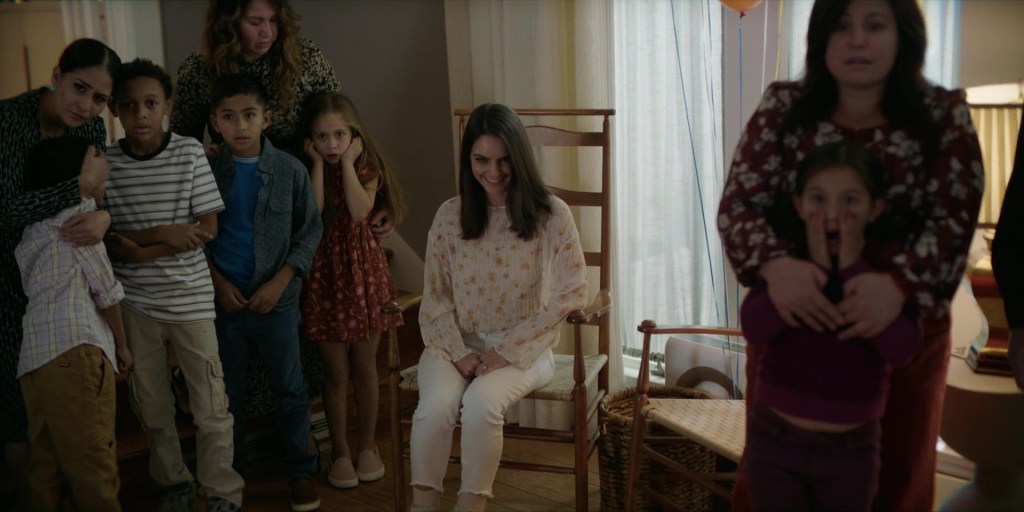
Rose eventually allies with a police detective who does believe her. Joel (Kyle Gallner), a cardboard cut-out of the finest variety, is the generic pre-requisite for Rose’s investigations. Then there’s Dr. Desei (Kal Penn) Rose’s supervisor at the hospital. Dr. Desei is so devoid of life he could have been played by a dead pot plant. His lines consist wholly of (repetitive) scenes where he tells Rose to take a rest. The scares are repetitive too. Characters smile that evil smile and then do something fucked up.  Over and over and over again. It’s difficult to understand why this film needed to be nearly 2 hours long when one considers its totally tapped for ideas after about 30 minutes. As a vehicle to explore the real-world effects of trauma it could have been so much more. It’s a rich topic, universally relatable, endlessly frightening, and sometimes life affirming. What we have instead is a hammy not-so-scary festival of never-ending cynicism and repetitive scenes topped off by an ending that might make you want to become unalive yourself. If the teaser trailer for Smile 2 is any indication, the sequel is offering more of the same.
Review: Men (Garland, 2022)

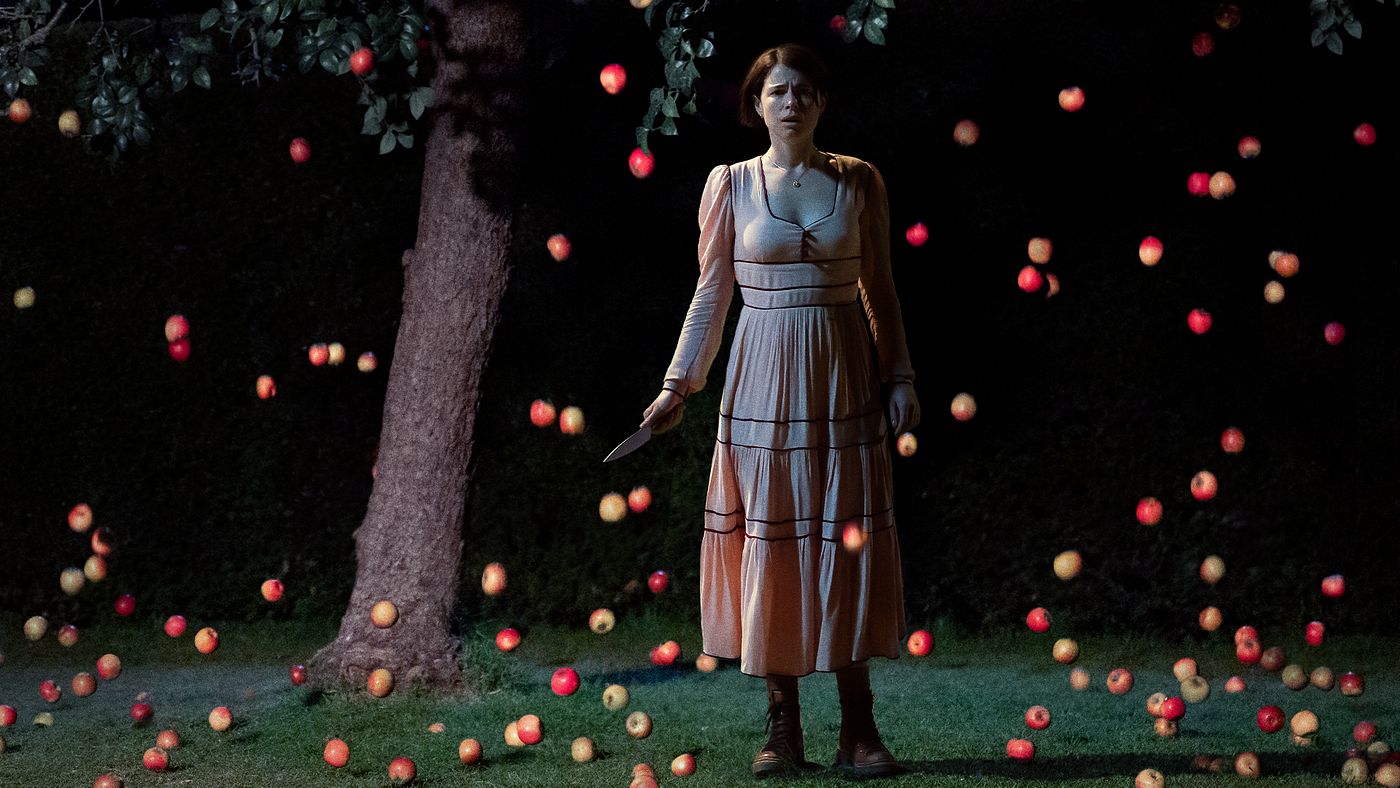
“Men” is a feast for the eyes, but not for the mind.

It is easy to forgive certain films, especially horror films, that display a certain lack of expertise. That is: well intentioned film that fall a little south of what constitutes a robust story, or cohesive thematics, but makes up for it with some rollicking good horror. Barbarian (dir. Zach Cregger, 2022) immediately comes to mind. Then there are films like MenMen is so stylish, yet so devoid of original thought that one comes away from it wondering how exactly everything went so terribly wrong. 

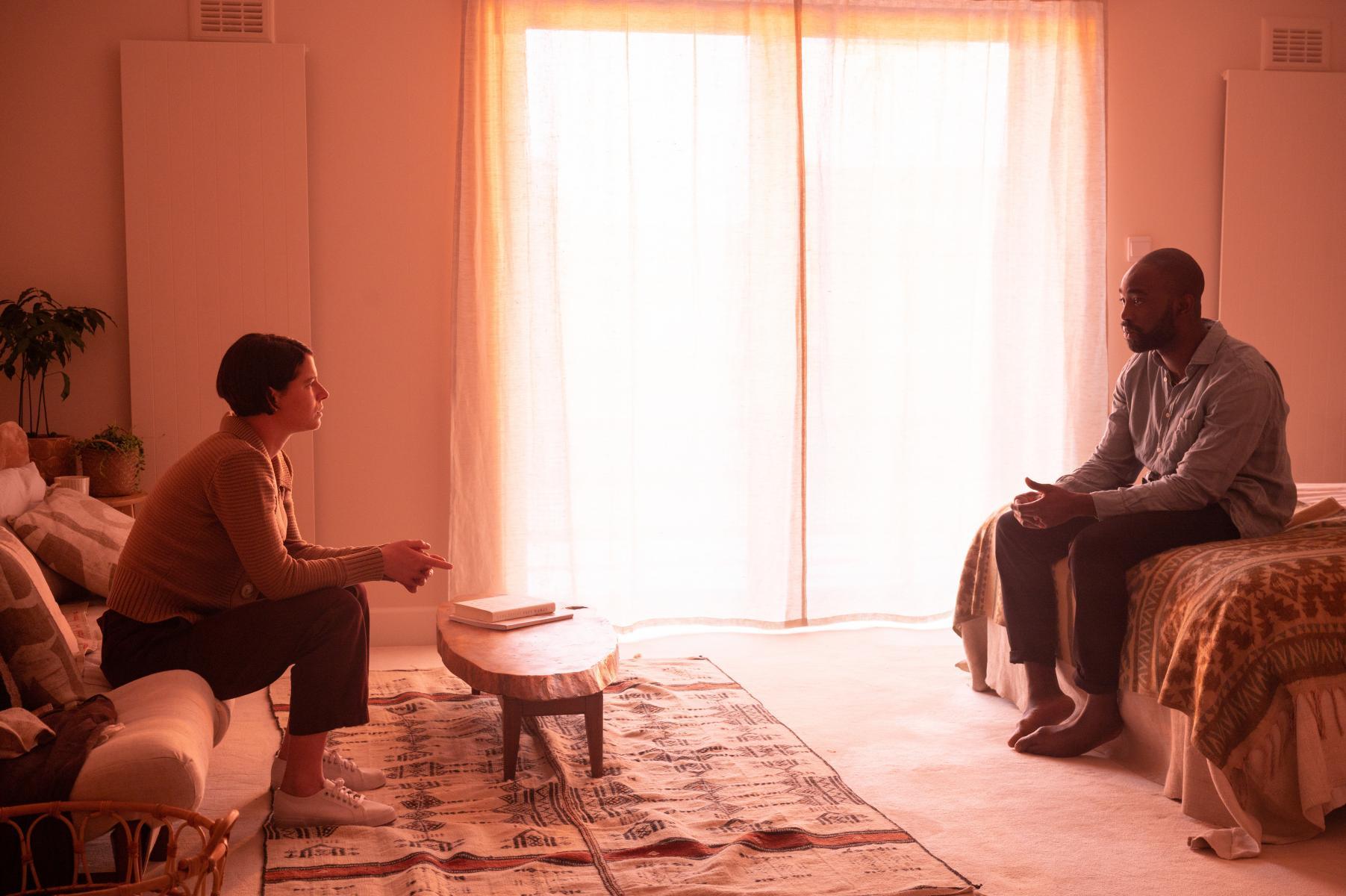
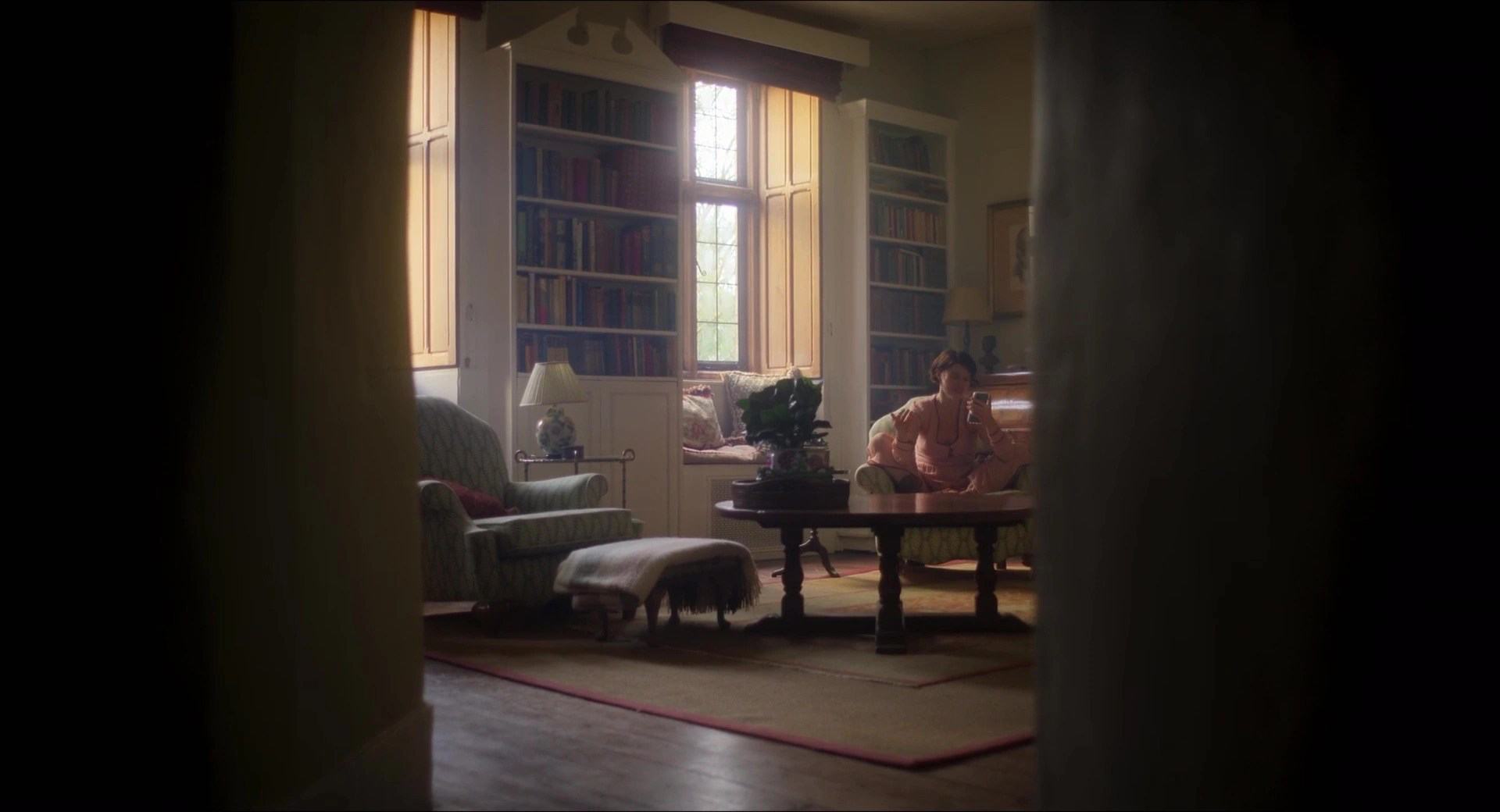
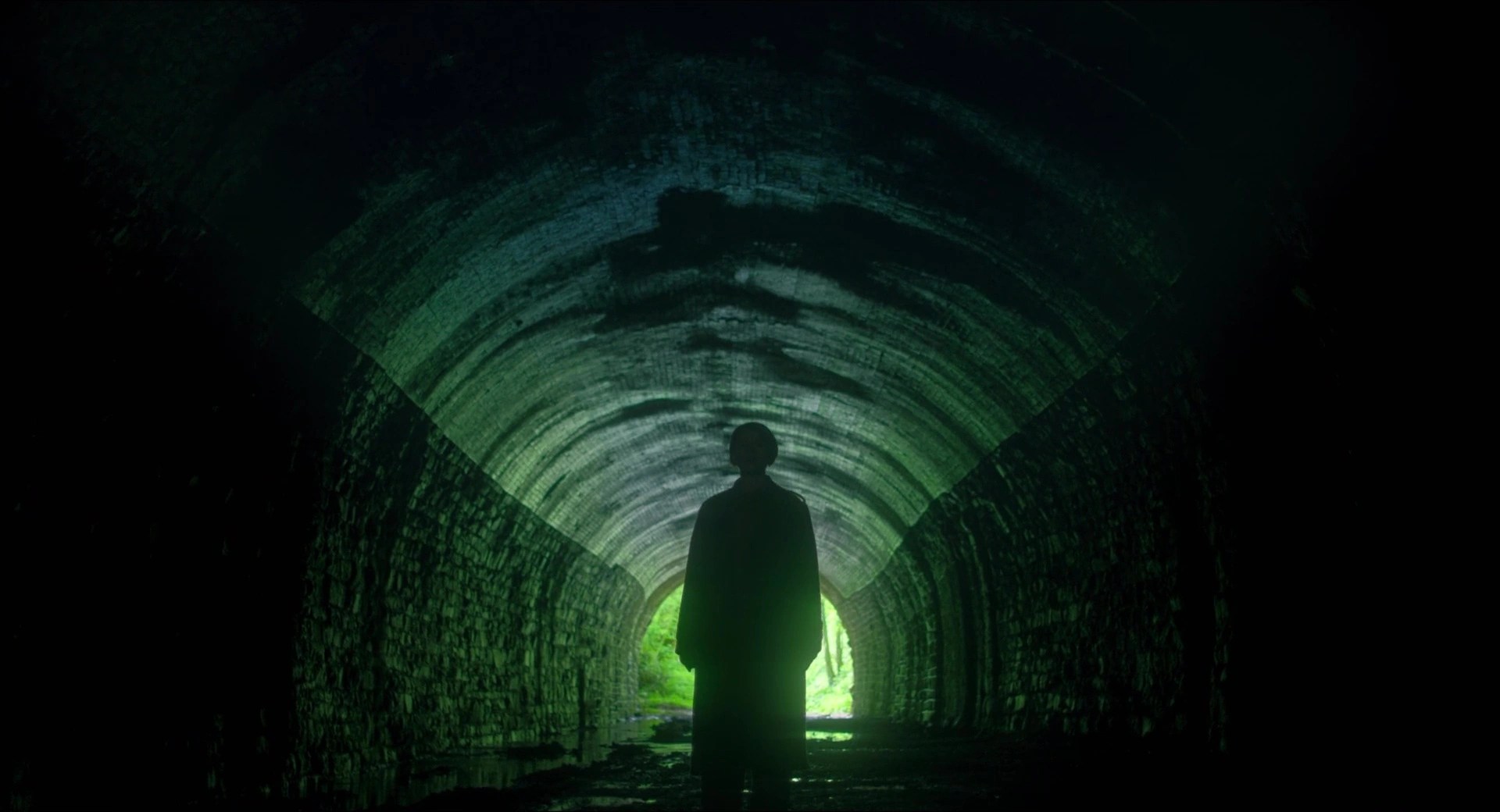
Harper (Jessica Buckley) is haunted by the suicide of her husband James (Paapa Essiedu). Like most haunted people, Harper decides to go heal herself at an isolated manor house in rural England. Surely a reasonable decision. Things start off just fine. The house is cozy, and the landscape is lush and quiet. The owner, Geoffrey (Rory Kinnear), notes the fine pub, just yonder, in the village. Things take a turn when Harper ventures out on a walk. The creep factor is ramped up to eleven during an extended scene where Harper stumbles upon an old tunnel where she happily harmonizes with herself by making echoes. Suddenly, a naked man appears at the other end of the tunnel, screaming and charging towards her. It’s a great scene, but it is rendered totally inert by what follows… which is more of the same.

It is difficult to understand what exactly this film is trying to say about trauma, about men, about women, or about anything at all. 

Literally, a parade of naked men who appear and disappear with absurd regularity. The story stops and starts at the tunnel scene. From then on, the film has nothing to say: not about Harper’s inner state, or trauma in general. Harper is just traumatized and guilt-ridden. Nothing else about who she is as a person is evident. Rather, her characterization rotates around the singular event of her husband’s death. Within that framework, it is difficult to understand what exactly this film is trying to say about trauma, about men, about women, or about anything at all. 

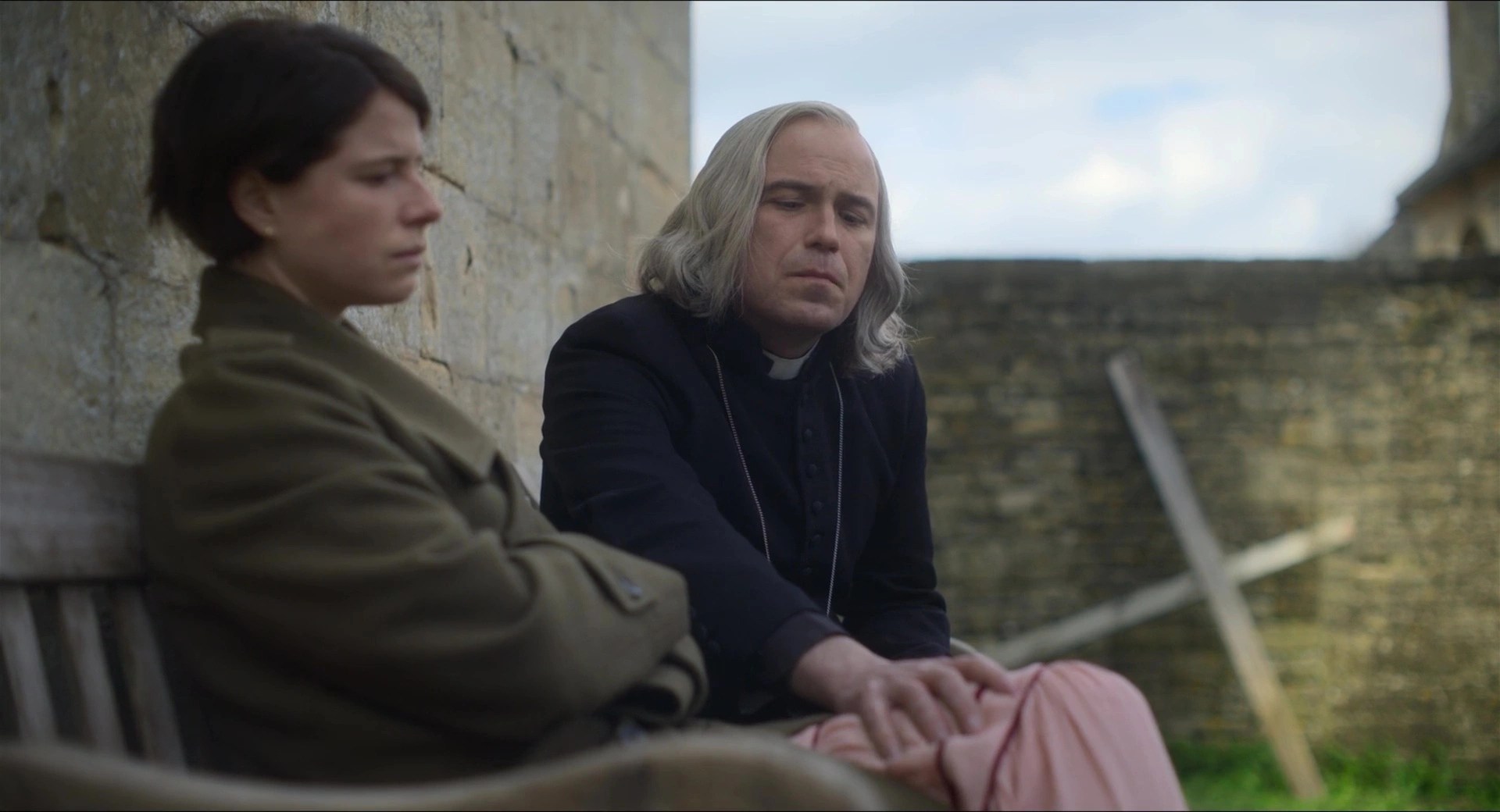
In the village Harper visits a very creepy church where she encounters more crazed men in the form of a teenager who invites her to play hide and seek, and a vicar who lays a hand on her leg and asks her how she feels about causing her husband’s death. For, surely, her refusal to allow her husband to apologize for striking her was the catalyst for his death. Or not.

Men appears to be under the impression that the experience of trauma is highly succinct, without nuance, and thematically soulless.

Maybe we would feel something of what Harper is feeling if the relationship with said husband had any, you know, background information. Instead, it appears that Harper was born on the day of her husband’s death. Born, apparently, into a world populated only by weird, hostile men whose favoured pastime is being naked and staring at her. Men appears to be under the impression that the experience of trauma is highly succinct, without nuance, and thematically soulless. Once you’ve had one encounter with a creepy naked dude, perhaps you’ve had them all.

*SPOILER AHEAD*

The film culminates in a wacky denouement wherein a series of (yes, naked) now pregnant men give birth to a bunch of other naked pregnant men who give birth to her husband. What the fuck.

That is, more or less, the extent of it. Harper feels guilty. Harper is haunted. Period. Surely, it is not that “men” are incapable of creating a nuanced horror film about a traumatized woman. One need only look to Midsommar (dir. Ari Aster, 2019) to see that certain directors don’t think the word “trauma” composes the entirety of the thematic life of a motion picture. Really, that is what makes Men’s failures so egregious. Being that it is ostensibly about feminine interiority yet experiences an alexithymic understanding of what impact such experiences actually have on a person.  

Men appears to be part of a burgeoning sub-genre concerning women whose husbands have committed suicide, and the haunting that follows. The Night House (dir. David Bruckner, 2020) immediately comes to mind as a much more successful foray that maintains the individuality of the main character while also containing striking, and potent thematic visuals on loss and grief. It seems silly to even bother commentating on the visual acumen of Men because the film is so stupid. Truly, there is nothing to see here but a parade of naked dudes. No thanks.